
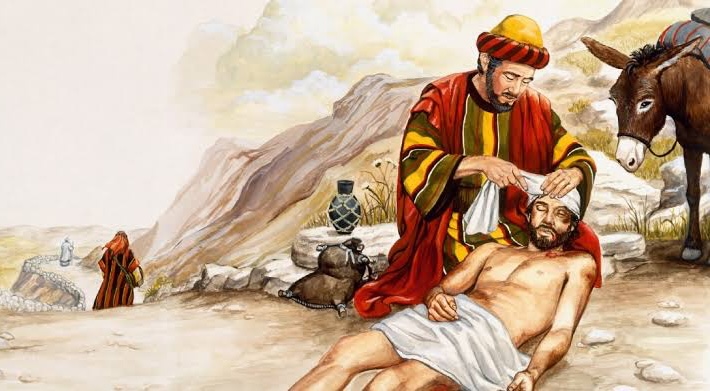
 When we hear the parable of the Good Samaritan, we often picture a compassionate traveler who stopped to help a wounded stranger lying helplessly on the roadside, dying. We admire his kindness, generosity, and willingness to care for another in need, even when others had passed by without helping. His actions remind us that compassion requires more than sympathy; it requires action. Read this account described by Christ is Luke 10:25-37.
However, there is a deeper lesson in this familiar story: the work of a Good Samaritan is rarely accomplished by that one person alone. Behind every act of compassion stands a network of people whose ordinary work makes extraordinary kindness possible. The question, therefore, is not simply whether we would stop to help an injured person, but whether we recognize how our daily work can help others receive the care they need.
Consider the Samaritan’s actions more closely. After finding the injured man, he washed and bandaged the wounds and took him to an inn for recovery. How difficult would this be without the contributions of others? Where did the water come from if he needed to wash the man’s wounds? Someone had dug a well, never meeting the injured man or knowing about the Samaritan’s kindness – yet the well-digger’s labor was critical.
Likewise, consider the inn that provided shelter for the wounded man. Someone designed the building and financed its construction. Craftsmen laid its foundations and raised its walls, creating the setting in which the injured man could recover. Agriculture laborers grew the cotton that textile workers used to produce the cloth used for his bandages.
These examples reveal a powerful truth: compassion is often a collective achievement, even when it appears to be the work of a single individual. The Samaritan performed the visible act of kindness, but many unrecognized people contributions supported his efforts. The well-digger, construction craftsmen, and agriculture laborers, and textile worker may not consider themselves as helping an injured stranger. Nevertheless, their work became part of a the Good Samaritan story.
 This lesson is relevant today. Imagine a person injured in a road accident. An emergency responder arrives to provide first aid, stabilize the victim, and arrange transportation to a hospital. Yet this response depends on many people. Electronic communication specialists maintain the systems that allow emergency calls to reach dispatchers. Law enforcement secures the scene and investigates the cause. Healthcare professionals treatment help the injured to regain health and independence.
Behind these visible contributors are still more. Engineers design communication networks. Mechanics maintain the emergency vehicles. Manufacturers produce medical equipment and protective clothing, and supplies. Cleaners maintain treatment spaces, while drivers transport essential materials. Each of these contributes something that contributes to the compassion of the first responder.
Educators also play a vital role in the chain of compassion. Teachers, trainers, and instructors prepare emergency responders, communication specialists, healthcare workers, and law enforcement officers. Similarly, moral leaders, parents, and community mentors nurture the values that inspire people to care for others. They teach empathy, responsibility, respect for human dignity, and the courage to aid others in distress.
What does this mean for each of us? Simply this: we do not necessarily have to perform dramatic acts of heroism to make a difference. By performing our duties honestly, carefully, and with concern for others, our work can become an instrument of compassion.
So, are you a Good Samaritan? You may not encounter an injured stranger on a lonely road, but every day offers opportunities to support someone in need. You can help directly, or prepare others to help, creating the resources they require and upholding the values that encourage kindness.
Ultimately, all of us can contribute to the actions of Good Samaritans, fulfilling Christ’s concluding admonishment in this parable: “Go and do likewise!”